LANZ.BUSINESS
Commercial clarity for diagnostics companies entering Germany
Helping diagnostics companies make the right market-entry decisions for Germany
Your entry into the German market begins here
LANZ.Business
Experience
Deep commercial experience across diagnostics, laboratories and international market development.
Focus
Germany-focused perspective on commercial structure, channel logic and market entry decisions.
Support
Senior advisory support before companies hire or scale in Germany, and starting with the correct strategy.
Avoid costly mistakes when entering the German market
Entering Germany is rarely just a regulatory or distribution question.
For diagnostics and laboratory technology companies, the real challenge is commercial architecture.
- Which customer segments should be prioritised?
- How does the laboratory landscape actually work?
- Should we work with distributors or build direct sales?
- When to build a team and when not to?
Many international companies underestimate how different the German market can be in practice.
Lanz.Business helps companies make these decisions with clarity before significant resources are committed.
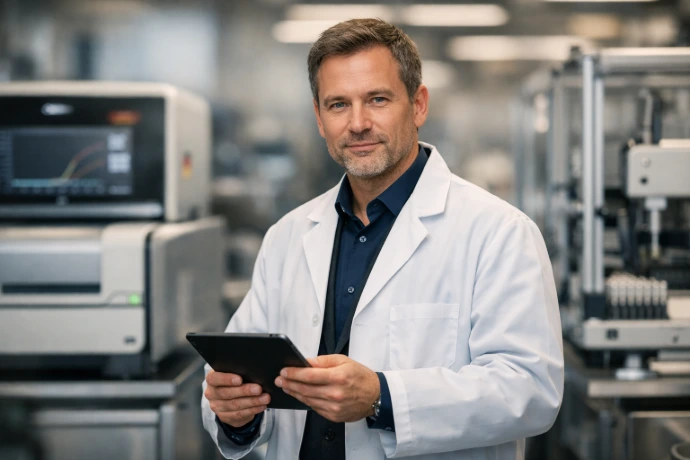

The Challenge: GERMANY
Germany is one of the largest diagnostics markets in Europe. It is also one of the most complex. The laboratory landscape is fragmented and highly professionalised. Buying processes are rarely simple. Distributor structures vary significantly across segments. Commercial expectations differ from many other markets. Therefore, companies entering Germany often face questions such as:
- Which laboratory segments should be prioritised first?
- Whether to work with distributors or build direct sales?
- How to structure a realistic go-to-market approach?
- When to build a local commercial team?
- How to avoid expensive missteps in the first years?
These are not theoretical questions. They shape the commercial success of the entire market entry.
Exclusive Partnerships
If your organisation is evaluating the German diagnostics market or preparing a commercial expansion, a structured outside perspective can often clarify the path forward.
LANZ.Business works with a very limited number of clients each year.
You are welcome to get in touch to explore whether a collaboration would be useful.
The Role of LANZ.Business
LANZ.Business supports international diagnostics and laboratory technology companies in structuring the commercial logic behind their Germany strategy.
The focus is not general consulting!
The work centres on a concise number of critical decisions:
- Market entry structure
- Commercial prioritisation
- Distributor and channel logic
- Commercial build-up in Germany
- Decision support for leadership teams
The goal is simple: To make the German market understandable enough that companies can make the right commercial decisions.
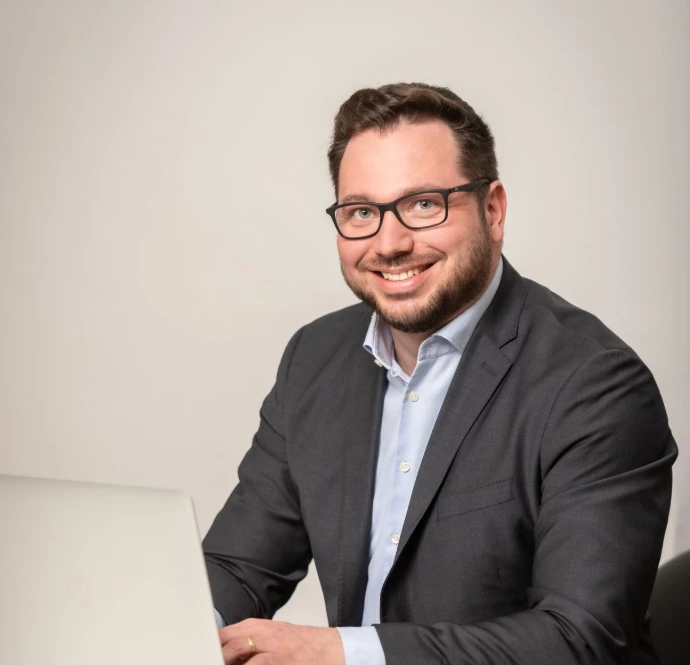
Dr. Marcelo Lanz
LANZ.Business was founded by Dr. Marcelo Lanz.
His professional background is rooted in the commercial side of the diagnostics and laboratory technology industry, including business development, sales strategy, and market development in Germany.
Over the years he has worked closely with laboratories, diagnostics companies, and international teams navigating the German market.
This experience shapes the core philosophy of Lanz.Business.
Core Offerings
LANZ.Business works with companies at their commercial strategy for the German market.
An independent commercial perspective on whether and how the German market should be approached.
Focused on market structure, segment priorities, and realistic entry options.
A structured commercial architecture for entering Germany.
This includes customer prioritisation, go-to-market logic, channel design, and early commercial structure.
For companies already active in Germany.
Senior advisory to leadership teams on commercial decisions, market structure, and scaling the local presence.